Exploring the advantages of integrating home automation with energy efficiency opens up a world of possibilities for creating a smarter and more sustainable living environment. This innovative combination not only enhances convenience but also leads to significant energy savings and environmental benefits.
Let's delve into the realm of smart homes and efficient energy usage to uncover the myriad advantages waiting to be discovered.
Introduction to Home Automation and Energy Efficiency
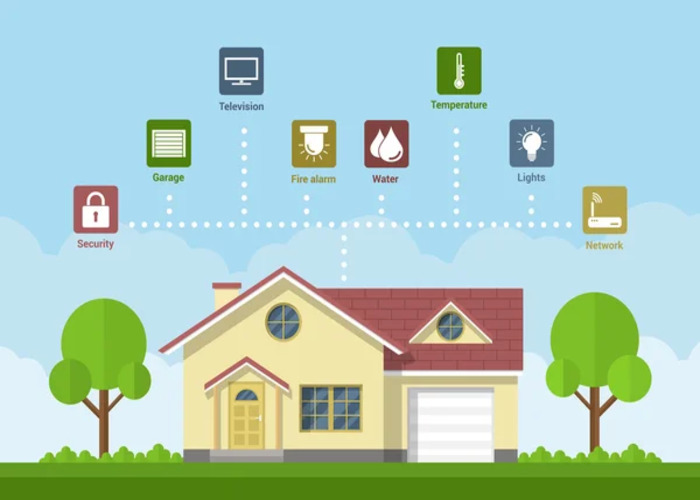
Home automation refers to the use of technology to control and automate household appliances and systems, allowing for greater convenience, comfort, and efficiency in daily living. On the other hand, energy efficiency involves using less energy to accomplish the same tasks, reducing energy waste and promoting sustainability.
Integrating home automation with energy efficiency is essential for creating a smart home that not only enhances convenience but also reduces energy consumption and environmental impact. By combining these two technologies, homeowners can optimize their energy usage, reduce utility bills, and contribute to a more sustainable future.
Benefits of Combining Home Automation with Energy Efficiency
- Smart Thermostats: By integrating a smart thermostat into a home automation system, homeowners can regulate their heating and cooling more effectively, optimizing energy usage and reducing costs. These devices can learn user preferences, adjust settings automatically, and provide energy-saving insights.
- Lighting Control: Smart lighting systems allow users to control the intensity and timing of lights, reducing unnecessary energy consumption. By scheduling lighting based on occupancy or natural light levels, homeowners can save energy and create a more comfortable living environment.
- Appliance Automation: Smart plugs and switches enable the automation of appliances, turning them off when not in use or operating them at optimal times for energy efficiency. This feature helps eliminate standby power consumption and reduces overall energy usage.
- Energy Monitoring: Home automation systems often include energy monitoring capabilities, allowing homeowners to track their energy usage in real-time and identify areas for improvement. By analyzing consumption patterns, users can make informed decisions to reduce waste and save on energy costs.
Energy-Saving Devices and Automation Systems
Smart homes are equipped with various energy-saving devices that can be seamlessly integrated into automation systems to enhance energy efficiency. These devices not only help in reducing energy consumption but also contribute to creating a more sustainable living environment.
Examples of Energy-Saving Devices
- Smart Thermostats: Smart thermostats like Nest or Ecobee can learn your schedule and adjust the temperature settings accordingly, ensuring efficient heating and cooling usage.
- Lighting Controls: Smart lighting systems such as Philips Hue or Lutron allow you to control the brightness, color, and schedule of your lights, helping in minimizing unnecessary energy wastage.
- Smart Plugs: Smart plugs like TP-Link or Wemo enable you to remotely monitor and control the power supply to devices plugged into them, preventing energy consumption when not in use.
Contribution to Energy Efficiency
Smart thermostats, lighting controls, and smart plugs play a crucial role in optimizing energy consumption within a smart home setting. These devices can be programmed and automated to operate based on specific conditions, schedules, or user preferences, ensuring that energy is used only when necessary.
For instance, smart thermostats can adjust the temperature based on occupancy patterns, while lighting controls can turn off lights in empty rooms automatically. Smart plugs can also cut off power to devices during non-peak hours or when they are not needed, reducing standby power consumption significantly.
Monitoring and Managing Energy Usage
Energy monitoring systems play a crucial role in home automation by providing homeowners with real-time data on their energy consumption patterns. This allows users to track and manage their energy usage efficiently, leading to cost savings and environmental benefits.
Tools and Software for Energy Management
- Smart Thermostats: Devices like Nest or Ecobee allow users to control their heating and cooling systems remotely, optimizing energy usage based on their preferences and schedules.
- Energy Monitoring Apps: Platforms such as Sense or Smappee provide detailed insights into electricity consumption, helping homeowners identify energy-intensive appliances and areas in their homes.
- Home Energy Management Systems: Integrated solutions like Vivint or Control4 offer comprehensive energy management capabilities, including automated lighting, HVAC control, and energy-efficient scheduling.
Environmental Impact and Sustainability
Combining home automation with energy efficiency not only benefits homeowners but also has a positive impact on the environment
Reducing Carbon Footprint
Implementing energy-efficient practices through automation helps reduce the carbon footprint of a household. By using smart devices to optimize energy usage, homeowners can lower their overall energy consumption and decrease greenhouse gas emissions.
Promoting Renewable Energy
Home automation systems can be integrated with renewable energy sources such as solar panels or wind turbines. By efficiently managing energy usage and incorporating clean energy solutions, households can further reduce their reliance on non-renewable resources and promote sustainability.
Conserving Natural Resources
Efficient energy use at home not only lowers utility bills but also contributes to the conservation of natural resources. By minimizing energy wastage through automation, homeowners can help preserve resources like water, coal, and gas, leading to a more sustainable lifestyle.
Cost-Effectiveness and Return on Investment
Integrating home automation with energy-efficient systems not only helps to reduce energy consumption but also leads to significant cost savings over time. While the initial investment in smart devices may seem high, the long-term financial benefits far outweigh the upfront costs.
Energy-Efficient Upgrades with High Return on Investment
- LED Lighting: Switching from traditional incandescent bulbs to LED lights can result in substantial energy savings. LED bulbs are more energy-efficient and have a longer lifespan, providing a quick return on investment through reduced electricity bills.
- Smart Thermostats: Installing a smart thermostat allows you to control your home's heating and cooling remotely and optimize energy usage. By adjusting temperature settings based on your schedule, smart thermostats can help save on heating and cooling costs, leading to significant long-term savings.
- Solar Panels: Investing in solar panels can significantly reduce your reliance on the grid and lower your electricity bills. While the upfront costs of solar panel installation can be high, the long-term savings on energy bills and potential tax incentives make it a worthwhile investment for homeowners looking to increase energy efficiency and reduce costs.
Smart Home Integration and Compatibility
Smart home integration and compatibility are crucial factors in creating a seamless and efficient automation experience. When different smart devices can work together smoothly, it enhances the overall functionality of the system and makes managing energy usage more convenient.
Importance of Compatibility
Choosing energy-efficient products that are compatible with each other ensures that your smart home ecosystem operates seamlessly. This means that devices can communicate effectively, share data, and work together to optimize energy usage and reduce waste.
Tips for Selecting Compatible Devices
- Research and choose devices from the same brand or ecosystem to ensure compatibility.
- Look for devices that support common communication protocols like Zigbee or Z-Wave for easy integration.
- Check for compatibility with popular smart home platforms like Amazon Alexa or Google Assistant to ensure a wider range of options for automation.
- Consider investing in a smart home hub that can act as a central control point for all your devices, ensuring seamless integration.
- Consult with a professional installer or smart home expert to help you select and set up compatible devices for your specific needs.
Wrap-Up
In conclusion, the fusion of home automation and energy efficiency presents a compelling case for modern homeowners seeking to create a more sustainable and cost-effective living space. By leveraging advanced technologies and smart strategies, individuals can not only reduce their environmental footprint but also enjoy enhanced comfort and savings.
Embracing this harmonious blend of automation and efficiency is a step towards a greener future that promises long-term benefits for both the planet and personal finances.
Clarifying Questions
How can home automation contribute to energy efficiency?
Home automation enables precise control over devices like thermostats and lighting, allowing users to optimize energy usage based on their preferences and schedules, resulting in reduced consumption.
What are some cost-effective energy-saving devices that can be integrated into home automation systems?
Devices like smart thermostats, LED lighting, and energy-monitoring outlets are affordable options that can seamlessly integrate into home automation setups, providing both convenience and efficiency.
Is it necessary to invest a significant amount upfront to benefit from the combination of home automation and energy efficiency?
While there may be initial costs associated with purchasing smart devices, the long-term savings on energy bills and potential rebates often outweigh the upfront investment, making it a financially prudent choice in the long run.