Smart Lifestyle Hacks to Reduce Digital Burnout sets the stage for this enthralling narrative, offering readers a glimpse into a story that is rich in detail with casual formal language style and brimming with originality from the outset.
In today's digital age, the constant barrage of technology can lead to burnout. This guide explores effective strategies to combat digital exhaustion and find a healthy balance between the virtual and real world.
Smart Lifestyle Hacks to Reduce Digital Burnout
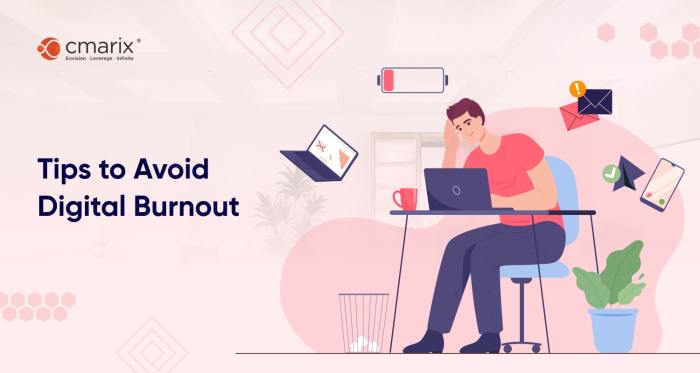
Living in a digital age comes with its own set of challenges, one of which is digital burnout. This phenomenon can have serious implications on our mental health and overall well-being. By recognizing the signs of digital burnout, understanding its negative impacts, and implementing smart lifestyle hacks, we can strive for a healthier balance in our digital work-life.
Identifying Common Signs of Digital Burnout
Digital burnout can manifest in various ways, such as:
- Constantly checking devices even during non-work hours
- Feeling overwhelmed by the influx of information and notifications
- Difficulty concentrating and decreased productivity
- Insomnia or disrupted sleep patterns
Negative Impacts of Prolonged Digital Exposure on Mental Health
Prolonged exposure to digital devices can lead to:
- Increased stress and anxiety levels
- Depression and feelings of isolation
- Physical symptoms like eye strain and headaches
- Reduced social interactions and quality of relationships
Strategies to Create a Healthy Digital Work-Life Balance
Here are some smart lifestyle hacks to reduce digital burnout:
- Set boundaries by establishing designated device-free times and spaces
- Practice mindfulness and take regular breaks from screens
- Engage in physical activities and hobbies that don't involve technology
- Prioritize self-care and prioritize quality sleep
Setting Boundaries with Technology
In today's digital age, it is crucial to set boundaries with technology to prevent burnout and maintain a healthy balance in life. By establishing limits on our use of digital devices, we can protect our mental well-being and improve our overall quality of life.
Establishing Tech-Free Zones in Living Spaces
Creating designated tech-free zones in your living spaces can help you disconnect from screens and focus on other activities. Consider setting up areas in your home where electronic devices are not allowed, such as the dining room or bedroom. This will promote face-to-face interactions with loved ones and reduce the temptation to constantly check your phone.
- Designate a specific area in your home where electronic devices are not permitted, such as the dining table or living room.
- Set boundaries with family members or roommates to respect the tech-free zone and encourage offline activities.
- Use this space for relaxation, reading, or engaging in hobbies that do not involve screens.
Limiting Screen Time and Notifications
Excessive screen time and constant notifications can lead to digital overload and contribute to burnout. By setting limits on the amount of time spent on devices and reducing the number of notifications received, you can regain control over your digital habits and prioritize activities that promote well-being.
- Set screen time limits on your devices or use apps that track and restrict usage to prevent mindless scrolling.
- Turn off non-essential notifications to minimize distractions and interruptions throughout the day.
- Schedule regular breaks from screens to give your eyes and mind a rest, and engage in offline activities instead.
Practicing Mindfulness and Meditation
Mindfulness and meditation are powerful tools to combat digital burnout by helping individuals become more present, reduce stress, and improve focus in an increasingly digital world.
Mindfulness Practices
- Start your day with a mindful breathing exercise to set a positive tone for the day.
- Practice mindful eating by focusing on the taste, texture, and aroma of your food without distractions.
- Take short breaks throughout the day to practice mindfulness, such as noticing your surroundings or taking a few deep breaths.
Meditation Benefits
- Meditation can help reduce stress levels by calming the mind and body through focused breathing techniques.
- Regular meditation practice can improve concentration and enhance cognitive function, leading to better productivity.
- By cultivating mindfulness through meditation, individuals can develop a greater sense of self-awareness and emotional regulation.
Engaging in Physical Activities
Physical activities play a crucial role in combating digital burnout by providing a much-needed break from screen time and promoting overall well-being. Regular exercise has been shown to have numerous benefits on mental health, reducing stress, improving mood, and boosting productivity.
Simple Exercises to Break Away from Screen Time
- Take a short walk outside to get some fresh air and stretch your legs.
- Do a quick workout routine at home, focusing on bodyweight exercises like squats, push-ups, and planks.
- Practice yoga or Pilates to improve flexibility, strength, and mindfulness.
- Engage in a fun physical activity like dancing, biking, or playing a sport you enjoy.
Benefits of Regular Exercise on Mental Well-being and Productivity
- Exercise releases endorphins, which are natural mood lifters that can help reduce feelings of stress and anxiety.
- Improves focus and concentration by enhancing blood flow to the brain, leading to better cognitive function.
- Promotes better sleep quality, which is essential for overall mental health and productivity.
- Boosts self-esteem and confidence as you achieve fitness goals and feel better physically and mentally.
Cultivating Hobbies and Interests
Engaging in hobbies outside of digital screens is essential for reducing digital burnout and improving overall well-being. These activities provide a much-needed break from constant screen time and help individuals relax and unwind.
Examples of Relaxing Hobbies
- Painting or drawing: Creative activities like painting or drawing can be therapeutic and help in reducing stress.
- Gardening: Spending time in nature and taking care of plants can have a calming effect on the mind.
- Reading: Getting lost in a good book is a great way to escape the digital world and relax.
- Cooking or baking: Trying out new recipes and cooking can be a fun and rewarding hobby.
Benefits of Engaging in Creative Activities
- Reduces stress: Creative hobbies can act as a form of meditation, helping individuals focus their minds and reduce stress levels.
- Boosts creativity: Engaging in creative activities can stimulate the mind and foster new ideas and perspectives.
- Improves mood: Pursuing hobbies that bring joy and satisfaction can uplift mood and overall well-being.
- Enhances focus: Creative hobbies require concentration and focus, which can help individuals improve their attention span and cognitive abilities.
Last Recap
As we wrap up this insightful discussion on Smart Lifestyle Hacks to Reduce Digital Burnout, remember that small changes in daily habits can have a significant impact on your overall well-being. By implementing these tips, you can reclaim control over your digital life and enjoy a more balanced and fulfilling existence.
FAQ
How can I identify signs of digital burnout?
Signs of digital burnout include feeling constantly overwhelmed by technology, difficulty concentrating, and experiencing physical symptoms like headaches or eye strain.
What are the benefits of mindfulness in reducing digital burnout?
Mindfulness practices can help individuals stay present, reduce stress, and improve mental clarity, making it an effective tool in combating digital burnout.
How important is it to set boundaries with technology?
Setting boundaries with technology is crucial to prevent digital overload and maintain a healthy work-life balance. It allows for better focus, reduced distractions, and improved overall well-being.