Exploring the transition from Analog to Smart Living, this article delves into the changing landscape of lifestyle choices influenced by technology. From traditional habits to modern practices, this shift signifies a significant evolution in how we approach daily living.
As we navigate through the impact of technology on our lifestyles, the emergence of smart devices and IoT technologies has reshaped our routines and habits, paving the way for a more connected and efficient way of living.
Lifestyle Shifts from Analog to Smart Living
Living in an analog lifestyle typically refers to a more traditional way of living, where manual processes and physical interactions are prominent.
Smart living, on the other hand, involves the integration of technology and automation into various aspects of daily life to enhance convenience, efficiency, and connectivity.
Analog Lifestyle Habits Replaced by Smart Living Practices
As technology continues to advance, several analog lifestyle habits are being gradually replaced by smart living practices:
- Using physical maps for navigation is now replaced by GPS applications on smartphones.
- Traditional thermostats are being replaced by smart thermostats that can be controlled remotely via mobile devices.
- Manual record-keeping and budgeting are being replaced by digital finance management apps that offer real-time tracking and analysis.
- Physical newspapers and magazines are being replaced by online news platforms and digital subscriptions.
Impact of Technology on Lifestyle Shifts
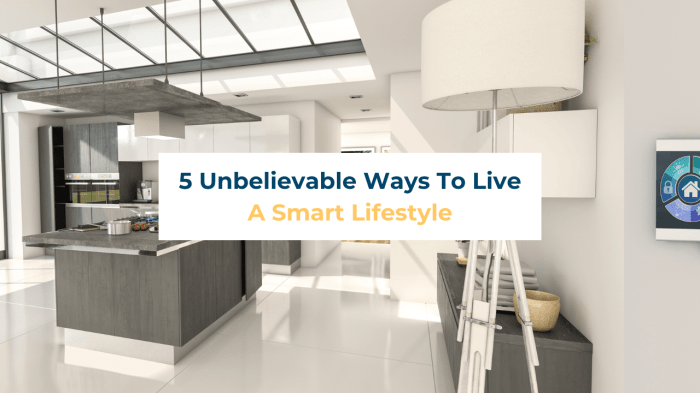
Technology has played a significant role in shaping the way we live today, transitioning us from analog to smart living. The advancements in technology have revolutionized the daily routines and habits of individuals, making life more convenient and efficient.
Role of IoT Devices
IoT devices have emerged as a crucial component in modern lifestyle choices, connecting various devices and enabling seamless communication between them. These interconnected devices allow for greater control and automation of tasks, leading to increased productivity and comfort in daily life.
Smart Home Technologies
Smart home technologies have transformed the way we interact with our living spaces, offering convenience, security, and energy efficiency. From smart thermostats that adjust temperature settings based on our preferences to smart lighting systems that can be controlled remotely, these technologies have become integral to modern living.
Benefits of Smart Living
Smart living offers numerous advantages that cater to convenience, efficiency, safety, security, and environmental sustainability.
Convenience and Efficiency
One of the key benefits of smart living is the convenience it brings to everyday life. Smart devices such as voice-controlled assistants, smart thermostats, and automated lighting systems streamline tasks and make daily routines more efficient. For example, being able to control various home functions remotely through a smartphone app can save time and energy.
Safety and Security Enhancements
Smart devices play a crucial role in enhancing safety and security in residential environments. Features like smart locks, security cameras, and motion sensors provide homeowners with real-time monitoring and alerts, ensuring a heightened level of protection. Additionally, the ability to automate lighting and simulate occupancy can deter potential intruders.
Environmental Benefits
Compared to traditional analog lifestyles, smart living practices promote environmental sustainability. Smart devices enable energy-efficient solutions like smart thermostats that optimize heating and cooling based on occupancy patterns, reducing energy consumption. Furthermore, smart appliances can be programmed to operate during off-peak hours, contributing to lower overall energy usage and environmental impact
Challenges and Concerns in Transitioning to Smart Living
Transitioning from analog to smart living comes with its own set of challenges and concerns that individuals need to navigate. As technology continues to advance rapidly, it is important to address these issues to ensure a smooth transition and adoption of smart living solutions.
Privacy and Data Security Concerns
In the era of smart devices and interconnected systems, privacy and data security have become major concerns for individuals transitioning to smart living. With the constant collection of data by smart devices, there is a risk of personal information being exposed or misused.
Hackers may target these devices to gain access to sensitive data, posing a threat to individuals' privacy and security. It is crucial for users to be aware of the risks and take necessary precautions to protect their personal information.
Potential Drawbacks of Over-Reliance on Smart Devices
While smart devices offer convenience and efficiency in everyday life, over-reliance on them can have potential drawbacks. Dependence on smart technology for essential tasks such as communication, navigation, and even decision-making can lead to a loss of critical thinking skills and independence.
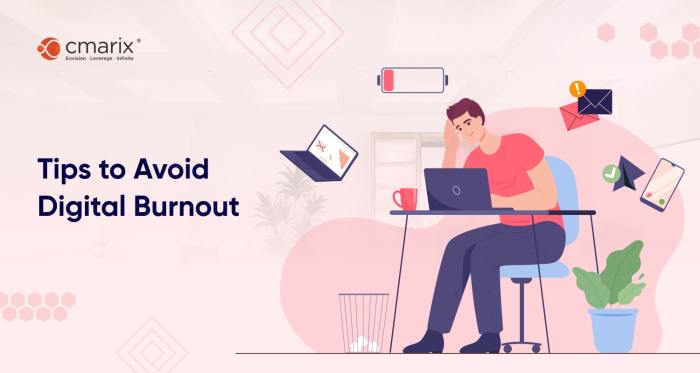
Moreover, constant connectivity to smart devices may result in increased screen time, leading to negative impacts on mental health and overall well-being. Finding a balance between utilizing smart devices for productivity and maintaining offline activities is essential for a healthy lifestyle in the digital age.
Sustainable Living Practices in Smart Homes
Smart homes play a crucial role in promoting energy efficiency and sustainable living practices by utilizing advanced technology to reduce energy consumption and minimize the carbon footprint. By incorporating smart appliances and features, homeowners can significantly contribute to a more eco-friendly lifestyle.
Impact of Smart Appliances on Energy Consumption
Smart appliances, such as energy-efficient refrigerators, thermostats, and lighting systems, are designed to optimize energy usage. These appliances can automatically adjust settings based on usage patterns, reducing unnecessary energy wastage. For example, smart thermostats can learn the household's temperature preferences and adjust heating and cooling accordingly, leading to lower energy bills and reduced environmental impact.
Examples of Eco-Friendly Smart Home Features
- Smart Lighting: Automated lighting systems that adjust brightness levels based on natural light and occupancy, reducing energy usage.
- Solar Panels: Integration of solar panels with smart inverters to harness renewable energy and reduce dependence on traditional power sources.
- Water Management Systems: Smart irrigation controllers that monitor weather conditions and soil moisture levels to optimize water usage in gardens and lawns.
- Energy Monitoring Devices: Smart meters and monitors that provide real-time data on energy consumption, enabling homeowners to make informed decisions to reduce usage.
Conclusive Thoughts
In conclusion, Lifestyle Shifts from Analog to Smart Living signify a paradigm shift towards a more technologically integrated lifestyle. Embracing the benefits while acknowledging the challenges, this evolution presents a blend of convenience, efficiency, and sustainability in our everyday lives.
General Inquiries
What defines analog living?
Analog living refers to traditional lifestyle habits that are not digitally connected or reliant on smart technologies.
How does smart living enhance safety?
Smart living incorporates devices like security cameras and smart locks, providing enhanced monitoring and control over residential security.
What are some challenges in transitioning to smart living?
Common challenges include integration issues with existing devices, learning curves associated with new technology, and potential privacy concerns.
How do smart homes promote sustainable living practices?
Smart homes optimize energy use through features like smart thermostats and energy-efficient appliances, contributing to reduced environmental impact.