Interior Design Tips for Compact Urban Living Spaces sets the stage for this enthralling narrative, offering readers a glimpse into a story that is rich in detail and brimming with originality from the outset.
As we delve into the world of compact urban living spaces, we uncover the secrets to maximizing space utilization, exploring innovative design solutions, and understanding the impact of well-designed interiors on urban living quality.
Importance of Interior Design in Compact Urban Living Spaces
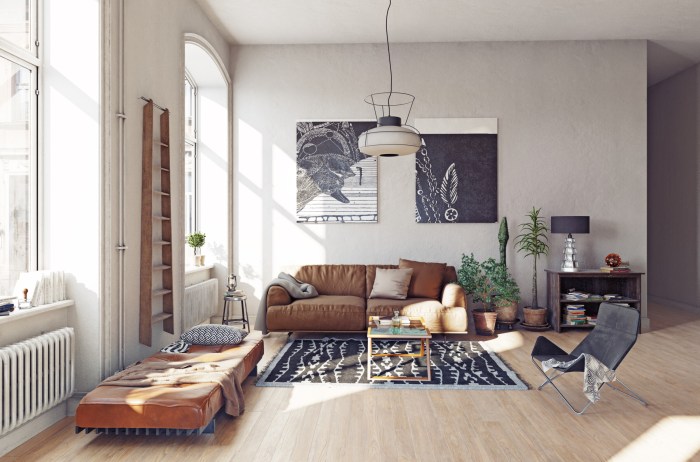
Interior design plays a crucial role in maximizing space utilization in small urban apartments. By incorporating innovative design solutions, designers can transform limited spaces into functional and aesthetically pleasing environments, improving the overall quality of life for residents in urban settings.
Maximizing Space Utilization
One of the key aspects of interior design in compact urban living spaces is the effective use of multifunctional furniture. For example, a sofa that can be converted into a bed or a dining table that can be folded away when not in use.
These space-saving solutions help optimize the available space and create a more versatile living area.
Innovative Design Solutions
- Utilizing vertical space by installing wall-mounted shelves or storage units.
- Creating visual continuity through the use of light colors and reflective surfaces to make the space appear larger.
- Implementing sliding doors or room dividers to separate different areas without taking up extra floor space.
Impact on Quality of Life
Well-designed interiors in compact urban living spaces can greatly enhance the quality of life for residents. A thoughtfully designed space can promote relaxation, productivity, and overall well-being. By incorporating elements like natural light, proper ventilation, and efficient storage solutions, designers can create a harmonious environment that supports urban dwellers in their daily activities.
Space-saving Furniture and Storage Solutions
In small urban living spaces, maximizing every inch of space is crucial. This can be achieved through the use of space-saving furniture and creative storage solutions that not only save space but also enhance the overall design aesthetic.
Space-saving Furniture Options
When it comes to space-saving furniture, there are several options that can help make small living areas more functional:
- Convertible Sofa Beds: These multipurpose pieces of furniture serve as both seating during the day and a bed at night, ideal for studio apartments or small living rooms.
- Wall-mounted Desks: Perfect for creating a workspace without taking up valuable floor space, these desks can be folded away when not in use.
- Nesting Tables: These tables can be stacked together when not in use, providing extra surface area when needed.
Creative Storage Solutions
Creative storage solutions are essential for small living spaces to keep clutter at bay. Here are some innovative storage ideas:
- Under Bed Storage: Utilize the space under the bed with storage bins or drawers to store clothing, shoes, or extra linens.
- Hanging Shelves: Maximize vertical space by installing hanging shelves or floating shelves on walls for books, decor, or other items.
- Multifunctional Ottomans: Ottomans with hidden storage compartments can serve as both a seating option and a place to store items like blankets or magazines.
Multipurpose Furniture Designs
Multipurpose furniture designs are a game-changer for compact living spaces, offering dual functionality without sacrificing style:
- Extendable Dining Tables: These tables can be expanded when hosting guests and collapsed for everyday use, saving valuable space in dining areas.
- Sofa with Storage: Sofas with built-in storage compartments provide a practical solution for stashing away items like blankets, pillows, or board games.
- Fold-down Desks: Ideal for small home offices or study areas, fold-down desks can be tucked away when not in use, freeing up floor space.
Lighting and Color Schemes for Small Spaces
When it comes to designing compact urban living spaces, lighting and color schemes play a crucial role in creating the illusion of space and enhancing the overall ambiance. By strategically using lighting and choosing the right colors, you can make a small room feel more spacious and inviting.
Importance of Lighting in Small Spaces
Proper lighting is essential in small spaces to make them feel bigger and brighter. Natural light is the best source of illumination, so maximize windows and use sheer curtains to allow light to flow freely. In addition, consider adding mirrors to reflect light and create a sense of openness.
Choosing the Right Color Schemes
The colors you choose for your walls, furniture, and decor can significantly impact the perception of space in a small room. Light colors such as whites, creams, and pastels can make a room feel more spacious and airy. On the other hand, dark colors can make a space feel smaller and more cramped.
Tips for Using Lighting and Color Effectively
- Use recessed lighting or wall sconces to save space and create a clean, uncluttered look.
- Consider using multi-functional lighting fixtures such as pendant lights with adjustable brightness to adapt to different needs throughout the day.
- Choose a cohesive color scheme for your furniture and decor to create a sense of unity and openness in the room.
- Experiment with different lighting angles and intensities to highlight key areas and visually expand the space.
Utilizing Vertical Space and Room Dividers
Utilizing vertical space and room dividers are essential strategies in maximizing the functionality and aesthetics of compact urban living spaces. By making the most out of the vertical dimension of a room and using room dividers effectively, you can create a more organized and visually appealing living area.
Vertical Space Utilization
When dealing with limited floor space, it's crucial to look up and utilize the walls for storage and decor. Floating shelves, wall-mounted cabinets, and hanging organizers can help free up valuable floor space while adding storage solutions. Additionally, tall bookshelves and vertical storage units can make use of the height of the room, providing ample storage without taking up much floor area.
Room Dividers for Functional Zones
Room dividers are versatile elements that can help define different functional zones within a small living space. They can create separate areas for living, dining, working, or sleeping, adding structure and organization to the layout. By using dividers like sliding doors, curtains, folding screens, or bookshelves, you can visually separate different areas while maintaining an open and airy feel.
Creative Room Divider Designs
There are numerous creative room divider designs that not only divide the space but also add style and personality to the room. For example, a plant wall divider can bring a touch of nature indoors while dividing the living and dining areas.
Geometric screens, hanging fabric panels, or even a vertical garden can serve as unique room dividers that enhance the aesthetics of the space.
End of Discussion
In conclusion, Interior Design Tips for Compact Urban Living Spaces opens up a world of possibilities for those navigating the challenges of small living areas in bustling cities. By embracing space-saving furniture, creative storage solutions, strategic lighting and color schemes, and utilizing vertical space effectively, urban dwellers can transform their homes into functional and stylish sanctuaries.
Clarifying Questions
How can interior design maximize space utilization in small urban apartments?
Interior design techniques such as multifunctional furniture and smart storage solutions can help optimize space in compact living areas.
What are some examples of innovative design solutions for compact living spaces?
Innovative design solutions may include foldable furniture, hidden storage compartments, and modular units that adapt to different needs.
Why is lighting important in compact urban homes?
Proper lighting can create an illusion of space, making small areas appear larger and more inviting.
How can room dividers be beneficial in compact living areas?
Room dividers can help create distinct zones within a small space, providing privacy and delineating different functional areas.
Interior Design Tips for Compact Urban Living Spaces sets the stage for this enthralling narrative, offering readers a glimpse into a story that is rich in detail and brimming with originality from the outset.
As we delve into the world of compact urban living spaces, we uncover the secrets to maximizing space utilization, exploring innovative design solutions, and understanding the impact of well-designed interiors on urban living quality.
Importance of Interior Design in Compact Urban Living Spaces
Interior design plays a crucial role in maximizing space utilization in small urban apartments. By incorporating innovative design solutions, designers can transform limited spaces into functional and aesthetically pleasing environments, improving the overall quality of life for residents in urban settings.
Maximizing Space Utilization
One of the key aspects of interior design in compact urban living spaces is the effective use of multifunctional furniture. For example, a sofa that can be converted into a bed or a dining table that can be folded away when not in use.
These space-saving solutions help optimize the available space and create a more versatile living area.
Innovative Design Solutions
- Utilizing vertical space by installing wall-mounted shelves or storage units.
- Creating visual continuity through the use of light colors and reflective surfaces to make the space appear larger.
- Implementing sliding doors or room dividers to separate different areas without taking up extra floor space.
Impact on Quality of Life
Well-designed interiors in compact urban living spaces can greatly enhance the quality of life for residents. A thoughtfully designed space can promote relaxation, productivity, and overall well-being. By incorporating elements like natural light, proper ventilation, and efficient storage solutions, designers can create a harmonious environment that supports urban dwellers in their daily activities.
Space-saving Furniture and Storage Solutions
In small urban living spaces, maximizing every inch of space is crucial. This can be achieved through the use of space-saving furniture and creative storage solutions that not only save space but also enhance the overall design aesthetic.
Space-saving Furniture Options
When it comes to space-saving furniture, there are several options that can help make small living areas more functional:
- Convertible Sofa Beds: These multipurpose pieces of furniture serve as both seating during the day and a bed at night, ideal for studio apartments or small living rooms.
- Wall-mounted Desks: Perfect for creating a workspace without taking up valuable floor space, these desks can be folded away when not in use.
- Nesting Tables: These tables can be stacked together when not in use, providing extra surface area when needed.
Creative Storage Solutions
Creative storage solutions are essential for small living spaces to keep clutter at bay. Here are some innovative storage ideas:
- Under Bed Storage: Utilize the space under the bed with storage bins or drawers to store clothing, shoes, or extra linens.
- Hanging Shelves: Maximize vertical space by installing hanging shelves or floating shelves on walls for books, decor, or other items.
- Multifunctional Ottomans: Ottomans with hidden storage compartments can serve as both a seating option and a place to store items like blankets or magazines.
Multipurpose Furniture Designs
Multipurpose furniture designs are a game-changer for compact living spaces, offering dual functionality without sacrificing style:
- Extendable Dining Tables: These tables can be expanded when hosting guests and collapsed for everyday use, saving valuable space in dining areas.
- Sofa with Storage: Sofas with built-in storage compartments provide a practical solution for stashing away items like blankets, pillows, or board games.
- Fold-down Desks: Ideal for small home offices or study areas, fold-down desks can be tucked away when not in use, freeing up floor space.
Lighting and Color Schemes for Small Spaces
When it comes to designing compact urban living spaces, lighting and color schemes play a crucial role in creating the illusion of space and enhancing the overall ambiance. By strategically using lighting and choosing the right colors, you can make a small room feel more spacious and inviting.
Importance of Lighting in Small Spaces
Proper lighting is essential in small spaces to make them feel bigger and brighter. Natural light is the best source of illumination, so maximize windows and use sheer curtains to allow light to flow freely. In addition, consider adding mirrors to reflect light and create a sense of openness.
Choosing the Right Color Schemes
The colors you choose for your walls, furniture, and decor can significantly impact the perception of space in a small room. Light colors such as whites, creams, and pastels can make a room feel more spacious and airy. On the other hand, dark colors can make a space feel smaller and more cramped.
Tips for Using Lighting and Color Effectively
- Use recessed lighting or wall sconces to save space and create a clean, uncluttered look.
- Consider using multi-functional lighting fixtures such as pendant lights with adjustable brightness to adapt to different needs throughout the day.
- Choose a cohesive color scheme for your furniture and decor to create a sense of unity and openness in the room.
- Experiment with different lighting angles and intensities to highlight key areas and visually expand the space.
Utilizing Vertical Space and Room Dividers
Utilizing vertical space and room dividers are essential strategies in maximizing the functionality and aesthetics of compact urban living spaces. By making the most out of the vertical dimension of a room and using room dividers effectively, you can create a more organized and visually appealing living area.
Vertical Space Utilization
When dealing with limited floor space, it's crucial to look up and utilize the walls for storage and decor. Floating shelves, wall-mounted cabinets, and hanging organizers can help free up valuable floor space while adding storage solutions. Additionally, tall bookshelves and vertical storage units can make use of the height of the room, providing ample storage without taking up much floor area.
Room Dividers for Functional Zones
Room dividers are versatile elements that can help define different functional zones within a small living space. They can create separate areas for living, dining, working, or sleeping, adding structure and organization to the layout. By using dividers like sliding doors, curtains, folding screens, or bookshelves, you can visually separate different areas while maintaining an open and airy feel.
Creative Room Divider Designs
There are numerous creative room divider designs that not only divide the space but also add style and personality to the room. For example, a plant wall divider can bring a touch of nature indoors while dividing the living and dining areas.
Geometric screens, hanging fabric panels, or even a vertical garden can serve as unique room dividers that enhance the aesthetics of the space.
End of Discussion
In conclusion, Interior Design Tips for Compact Urban Living Spaces opens up a world of possibilities for those navigating the challenges of small living areas in bustling cities. By embracing space-saving furniture, creative storage solutions, strategic lighting and color schemes, and utilizing vertical space effectively, urban dwellers can transform their homes into functional and stylish sanctuaries.
Clarifying Questions
How can interior design maximize space utilization in small urban apartments?
Interior design techniques such as multifunctional furniture and smart storage solutions can help optimize space in compact living areas.
What are some examples of innovative design solutions for compact living spaces?
Innovative design solutions may include foldable furniture, hidden storage compartments, and modular units that adapt to different needs.
Why is lighting important in compact urban homes?
Proper lighting can create an illusion of space, making small areas appear larger and more inviting.
How can room dividers be beneficial in compact living areas?
Room dividers can help create distinct zones within a small space, providing privacy and delineating different functional areas.