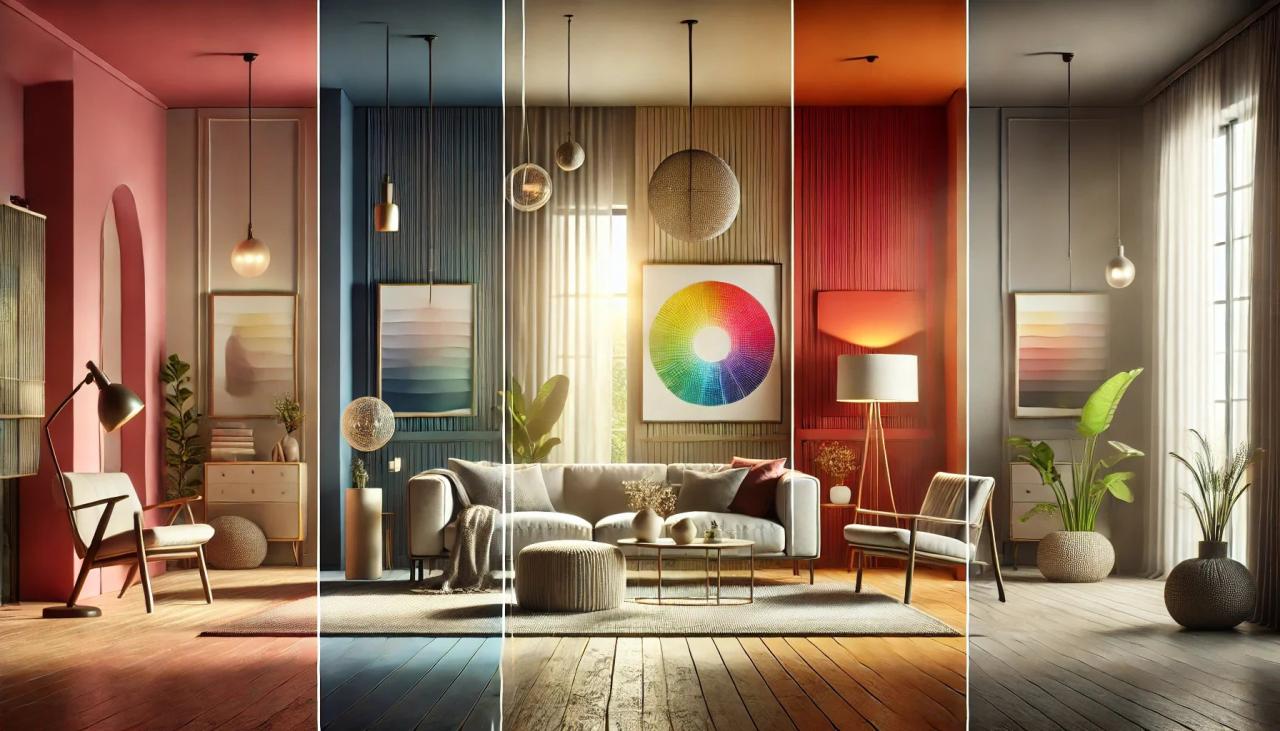
Exploring the fascinating realm of Interior Color Psychology: Designing for Mood & Mind, this topic delves into the impactful relationship between colors and our emotions, setting the stage for a captivating journey through the world of design.
As we navigate through the various aspects of color psychology in interior design, we uncover intriguing insights into how colors can shape our mood and mental well-being within living spaces.
Introduction to Interior Color Psychology
Interior color psychology refers to the study of how different colors can affect the mood, emotions, and mental well-being of individuals in interior spaces. The choice of colors in design can have a significant impact on the overall atmosphere and ambiance of a room, influencing how people feel and behave within that environment.
Significance of Interior Color Psychology
- Colors have the power to evoke specific emotions and feelings. For example, warm colors like red and orange can create a sense of energy and excitement, while cool colors like blue and green can promote relaxation and calmness.
- By understanding the psychological effects of colors, designers can strategically use different hues to create the desired mood or atmosphere in a space. This can be particularly important in settings such as homes, offices, or healthcare facilities, where the well-being of occupants is a priority.
- The use of color psychology can also help in enhancing productivity, creativity, and overall satisfaction in interior environments. By selecting the right colors based on the intended purpose of a space, designers can optimize the experience for users.
Relationship Between Color and Emotions
- Colors can trigger emotional responses due to their association with certain meanings or cultural significance. For example, white is often associated with purity and cleanliness, while black is linked to sophistication and elegance.
- Individual perceptions of color can vary based on personal experiences, upbringing, and cultural backgrounds. Therefore, it is essential for designers to consider the context in which colors are being used and how they might be interpreted by different individuals.
- Psychological studies have shown that colors can impact mood, behavior, and even physical reactions. For instance, exposure to certain shades of blue has been found to lower blood pressure and heart rate, promoting a sense of calm and relaxation.
Understanding Different Color Families
Color plays a significant role in interior design, influencing the mood and atmosphere of a space. Understanding the different color families is essential in creating harmonious and impactful interiors.
Warm Colors and Their Psychological Effects
Warm colors such as red, orange, and yellow are known for their energizing and stimulating effects. These colors can evoke feelings of warmth, passion, and excitement, making them ideal for spaces where social interaction and creativity are encouraged. In interior design, warm colors can make a room feel cozy and inviting, perfect for areas like living rooms or dining spaces.
Cool Colors and Their Influence on Mood
Cool colors like blue, green, and purple are calming and soothing. They are often associated with nature and serenity, helping to create a sense of relaxation and tranquility in a space. Cool colors are commonly used in bedrooms and bathrooms to promote a peaceful environment conducive to rest and rejuvenation.
Neutral Colors and Their Role in Creating Balanced Environments
Neutral colors such as white, beige, and gray act as a backdrop in interior design, providing a sense of balance and harmony. These colors are versatile and timeless, allowing other elements in the space to stand out. Neutral colors are often used in modern and minimalist interiors to create a clean and sophisticated look.
Applying Color Psychology in Interior Design
When it comes to interior design, colors play a crucial role in setting the mood and ambiance of a space. By understanding color psychology, designers can strategically use different colors to evoke specific emotions and create desired atmospheres.
Using Specific Colors to Evoke Emotions
Here are some examples of how specific colors can be used to evoke different emotions:
- Red:Often associated with energy and passion, red can be used in spaces where you want to create a sense of excitement or intensity, such as dining areas or entertainment rooms.
- Blue:Known for its calming and soothing properties, blue is ideal for bedrooms or relaxation areas to promote a sense of tranquility and peace.
- Yellow:Yellow is a cheerful and uplifting color that can be used in spaces like kitchens or home offices to boost creativity and positivity.
Color Schemes and Combinations for Specific Moods
Designers often use specific color schemes and combinations to achieve different moods:
- Monochromatic:Using different shades of a single color can create a harmonious and calming effect, perfect for bedrooms or bathrooms.
- Complementary:Pairing colors from opposite sides of the color wheel, such as blue and orange, can create a vibrant and dynamic atmosphere, suitable for living rooms or social spaces.
- Analogous:Choosing colors that are next to each other on the color wheel, like green and blue, can create a cohesive and relaxing environment, great for home offices or libraries.
Integrating Colors into Different Spaces
Here are some tips on how to effectively integrate colors into different spaces based on their intended use:
- Consider the function of the space and choose colors that support that purpose. For example, use calming blues and greens in bedrooms and energizing yellows in workout areas.
- Take into account the natural lighting of the room when selecting colors, as natural light can affect how colors appear and feel in a space.
- Don't be afraid to experiment with different color combinations and tones to find the perfect balance that enhances the mood and style of the room.
Cultural Influences on Color Perception
When it comes to color perception, cultural backgrounds play a significant role in shaping how individuals interpret and respond to different colors. The meanings and emotions associated with specific colors can vary greatly across cultures, making it essential to consider these factors when designing with color in mind.
How Cultural Backgrounds Influence Color Perception
- In some cultures, white is associated with purity and innocence, while in others, it symbolizes mourning and death.
- Red can represent luck and prosperity in some cultures, but in others, it may signify danger or warning.
- Blue is often linked to calmness and serenity in Western cultures, while in some Eastern cultures, it is associated with sadness.
Importance of Considering Cultural Preferences in Design
Understanding the cultural significance of colors can help designers create spaces that resonate with diverse audiences and avoid unintentional misinterpretations or offense.
- By taking cultural influences into account, designers can ensure that their color choices align with the intended emotions and meanings for the target audience.
- Respecting cultural preferences can also enhance the overall experience of the space and create a more inclusive environment for everyone.
Conclusive Thoughts
In conclusion, Interior Color Psychology: Designing for Mood & Mind offers a rich tapestry of information on how colors can influence our emotions and create harmonious environments. By understanding the significance of color in design, we gain a deeper appreciation for the art of crafting spaces that resonate with our inner selves.
Question & Answer Hub
How does color psychology impact our emotions in interior design?
Color psychology plays a vital role in interior design by influencing our emotions, mood, and overall well-being within a space. Different colors can evoke specific feelings and set the tone for the room.
What are some common color schemes used to achieve certain moods in interior design?
Popular color schemes like monochromatic, analogous, and complementary are often employed to create specific atmospheres in interior spaces. Each scheme utilizes different colors to evoke distinct emotions.
Why is it important to consider cultural influences when designing with color?
Cultural backgrounds can significantly impact how colors are perceived and the emotions they evoke. Understanding cultural preferences helps designers create spaces that resonate with a diverse audience.