As Future-Proof Interior Layouts for Tech-Integrated Homes takes center stage, this opening passage beckons readers into a world crafted with good knowledge, ensuring a reading experience that is both absorbing and distinctly original. In the realm of modern living, the integration of technology into our homes is no longer a luxury but a necessity.
This article delves into the key aspects of creating interiors that seamlessly blend technology with design, ensuring homes are not just stylish today but equipped for the future.
Design Principles for Future-Proof Interior Layouts
In creating tech-integrated homes, certain design principles play a crucial role in ensuring the space remains functional, adaptable, and aesthetically pleasing.
Balance of Aesthetics and Functionality
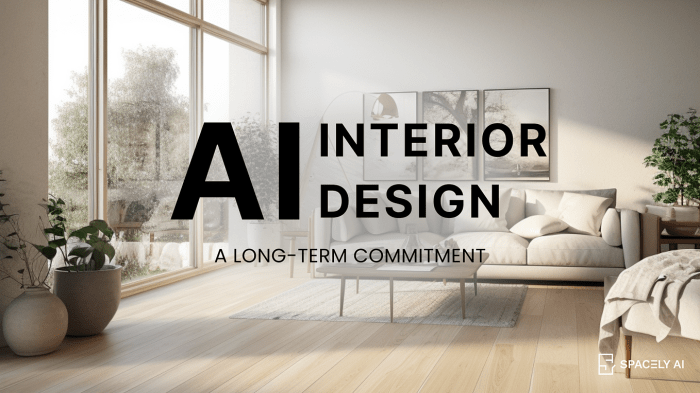
Finding the perfect balance between aesthetics and functionality is key in interior layout design for tech-integrated homes. While technology is a central focus, the design should not compromise on the overall look and feel of the space. Integrating technology seamlessly into the design without overpowering the aesthetic appeal is essential.
Importance of Flexibility and Adaptability
Future-proof designs require flexibility and adaptability to accommodate changing technology trends and user needs. Designing spaces that can easily be modified or upgraded to incorporate new technologies ensures that the home remains relevant and functional for years to come. Providing adaptable spaces that can be repurposed based on changing requirements adds longevity to the design.
Integration of Smart Home Technologies
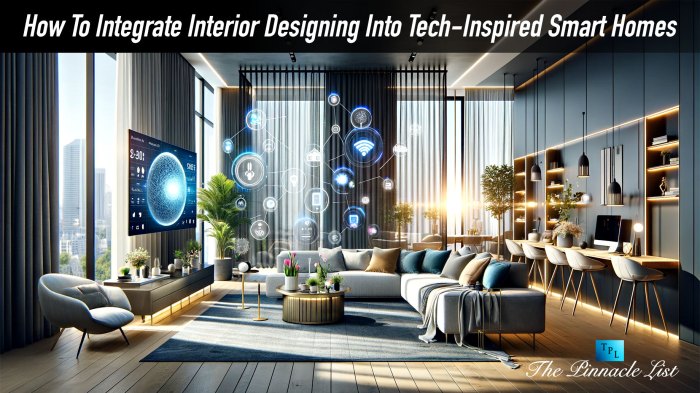
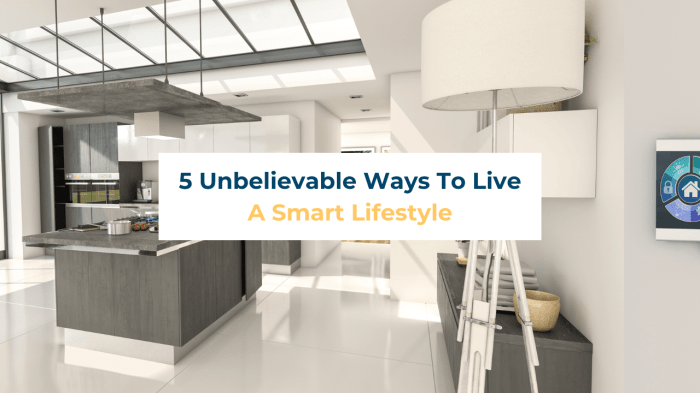
Smart home technologies are rapidly evolving, offering homeowners a variety of innovative solutions to enhance their living spaces. Integrating these technologies into interior layouts is becoming increasingly popular due to the convenience and efficiency they provide.
Latest Trends in Smart Home Technologies
Smart home technologies are constantly advancing, with some of the latest trends including:
- Voice-controlled assistants like Amazon Alexa and Google Assistant, allowing users to control various devices with simple voice commands.
- Smart thermostats that learn user preferences and adjust temperature settings for optimal comfort and energy efficiency.
- Smart lighting systems that can be customized to create different moods and save energy.
- Home security systems with cameras, sensors, and monitoring capabilities for added safety and peace of mind.
Seamless Incorporation of Smart Technologies
Smart technologies can be seamlessly incorporated into interior layouts in various ways, such as:
- Installing smart switches and outlets that blend seamlessly with existing decor to control lighting, appliances, and other devices.
- Integrating smart speakers discreetly into built-in shelves or furniture to enhance sound quality without cluttering the space.
- Incorporating smart thermostats into the design of the home, making them a functional and stylish element of the interior.
Benefits of Smart Home Features
Incorporating smart home features into interior layouts offers several benefits, including:
- Convenience: Smart technologies make daily tasks easier and more efficient, saving time and effort for homeowners.
- Energy Efficiency: Smart devices help reduce energy consumption by optimizing usage based on user preferences and real-time data.
- Safety and Security: Smart home technologies enhance home security and provide peace of mind through remote monitoring and alerts.
Multi-Functional Spaces
In tech-integrated homes, the concept of multi-functional spaces plays a crucial role in maximizing the utility of every square foot
Innovative Ideas for Multi-Functional Spaces
- Integrating retractable walls or sliding partitions to transform a single room into multiple functional areas, such as a home office, entertainment space, or guest bedroom.
- Utilizing modular furniture that can be easily reconfigured to serve different purposes, from storage solutions to seating arrangements, depending on the user's needs.
- Creating dual-purpose zones like a kitchen island that doubles as a dining table or a work desk that seamlessly transitions into a vanity area, optimizing space utilization without compromising on style.
Importance of Optimizing Space Utilization
Efficient space utilization is essential for modern living, especially in urban environments where real estate is limited and expensive. By maximizing the functionality of each area through multi-functional spaces, homeowners can make the most out of their homes without feeling constrained by square footage limitations.
This approach not only enhances comfort and convenience but also promotes sustainability by reducing the need for excessive material consumption and construction waste.
Sustainable and Energy-Efficient Design
Incorporating sustainable design practices and energy-efficient solutions into future-proof interior layouts is crucial for creating homes that are both environmentally friendly and cost-effective in the long run.
Role of Sustainable Design Practices
Sustainable design practices focus on minimizing the environmental impact of a building throughout its lifecycle. When applied to interior layouts, sustainable design can involve using eco-friendly materials, optimizing natural light and ventilation, and reducing energy consumption.
Tips for Integrating Energy-Efficient Solutions
- Install energy-efficient appliances: Opt for appliances with high Energy Star ratings to reduce electricity consumption.
- Use smart lighting systems: Implement smart lighting controls that automatically adjust brightness based on natural light levels or occupancy.
- Insulate properly: Ensure your home is well-insulated to prevent heat loss in winter and keep cool air in during summer, reducing the need for heating and cooling.
- Harness renewable energy: Consider installing solar panels or wind turbines to generate clean energy for your home.
Benefits of Sustainable Design
- Cost savings: Energy-efficient homes can lead to lower utility bills and maintenance costs over time.
- Improved indoor air quality: Using eco-friendly materials and proper ventilation can enhance the overall indoor air quality of the home.
- Reduced environmental impact: By using sustainable design practices, homeowners can contribute to reducing carbon emissions and preserving natural resources.
Last Recap
In conclusion, Future-Proof Interior Layouts for Tech-Integrated Homes offer a glimpse into the innovative ways design and technology can harmoniously coexist. By embracing flexibility, sustainability, and smart home integration, homeowners can truly future-proof their living spaces. The evolving landscape of interior design invites us to consider not just how we live now, but how we will live tomorrow.
User Queries
How can I balance aesthetics with functionality in tech-integrated homes?
To balance aesthetics with functionality, consider sleek designs that conceal technology when not in use, ensuring a seamless blend with the overall decor.
What are some benefits of sustainable design in tech-integrated homes?
Sustainable design not only reduces environmental impact but also leads to cost savings through energy-efficient solutions, benefiting both homeowners and the environment.
Why is optimizing space utilization important in modern living?
Optimizing space utilization ensures that homes can adapt to changing technology needs and evolving lifestyle preferences, maximizing the functionality of each area.