Embark on a journey to discover the essential gadgets for crafting a smarter, safer home. From smart security systems to innovative home automation devices, this guide will delve into the key elements that can elevate your living space to the next level of convenience and security.
Smart Security Systems
Smart security systems play a crucial role in ensuring the safety and security of our homes. With advancements in technology, these systems provide added layers of protection and peace of mind for homeowners.
Key Features of Smart Security Systems
- Remote monitoring and control through mobile apps
- Real-time alerts and notifications for any unusual activities
- Integration with other smart home devices for a comprehensive security network
- High-definition cameras with night vision and motion detection capabilities
- Two-way audio communication for interacting with visitors remotely
Comparison of Smart Security Systems
| Brand | Key Features | Price Range |
|---|---|---|
| Ring | Video doorbell, neighborhood alerts, easy installation | $100-$500 |
| Arlo | Wire-free cameras, cloud storage, advanced motion detection | $200-$600 |
| Nest | Learning thermostat integration, facial recognition, environmental sensors | $300-$700 |
Home Automation Devices
Home automation devices play a crucial role in creating a smarter and more efficient living space. These devices are designed to automate and control various aspects of your home, providing convenience, comfort, and energy savings.
Examples of Essential Home Automation Devices
- Smart Thermostats: Devices like Nest Learning Thermostat or Ecobee allow you to remotely control your home's temperature, learn your schedule, and optimize energy usage.
- Smart Lighting: Products such as Philips Hue or LIFX offer customizable lighting options, scheduling, and energy-efficient LED bulbs.
- Smart Plugs: Devices like TP-Link Kasa Smart Plug enable you to control appliances remotely, set schedules, and monitor energy usage.
Contribution to Convenience and Energy Efficiency
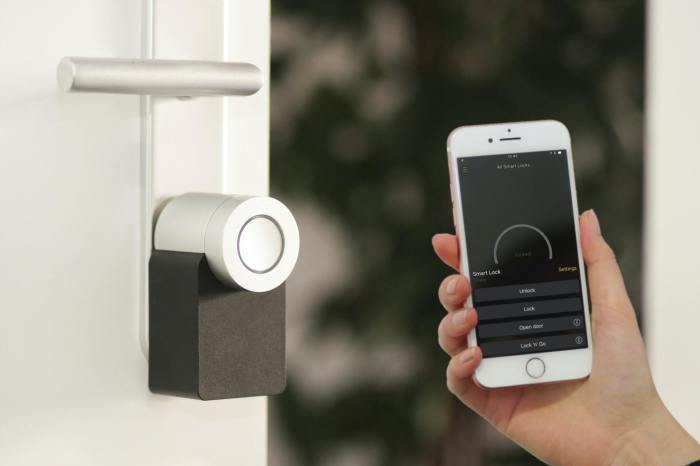
Home automation devices enhance convenience by allowing you to control various functions of your home from anywhere through a smartphone or voice commands. For example, you can adjust the thermostat, turn off lights, or even lock doors remotely. This not only saves time but also provides peace of mind.
Moreover, these devices contribute to energy efficiency by enabling you to monitor and regulate energy consumption. By setting schedules, using motion sensors, and optimizing settings, you can reduce unnecessary energy usage and lower utility bills.
Setting Up and Integrating Home Automation Devices
- Choose Compatible Devices: Ensure that the home automation devices you select are compatible with each other and with your existing smart home system.
- Connect to Wi-Fi: Most home automation devices require a Wi-Fi connection for remote access and control. Follow the manufacturer's instructions to connect them to your home network.
- Download and Install Apps: Install the corresponding apps on your smartphone or tablet to configure and control the devices. Create schedules, set preferences, and customize settings as needed.
- Integrate with Smart Assistants: If you use smart assistants like Amazon Alexa or Google Assistant, you can integrate your home automation devices for voice control and seamless operation.
Smart Lighting Solutions
Smart lighting solutions offer a myriad of benefits for creating a safer and more efficient home environment. These systems can be controlled remotely, scheduled to turn on/off at specific times, and even adjust brightness levels based on natural light conditions.
In addition to enhancing security by giving the appearance of someone being home, smart lighting can also contribute to energy savings and overall convenience
Designing a Smart Lighting Setup
When designing a smart lighting setup for different areas of a home, it is essential to consider the specific needs and functionalities of each space. For example, in the living room, you may want to install dimmable lights that can create different ambiance settings for movie nights or gatherings.
In the kitchen, under cabinet lighting can improve visibility while cooking. In the bedroom, smart bulbs with color-changing capabilities can help create a relaxing atmosphere for bedtime.
Comparison with Traditional Lighting
| Aspect | Traditional Lighting | Smart Lighting Solutions |
|---|---|---|
| Remote Control | Manual switching | Can be controlled via smartphone or voice commands |
| Energy Efficiency | Fixed brightness levels | Adjustable brightness levels and scheduling for energy savings |
| Security | Static lighting patterns | Can simulate occupancy when away from home |
Surveillance Cameras
Surveillance cameras play a crucial role in enhancing home security by providing real-time monitoring and recording of activities in and around your property. These cameras act as a deterrent to potential intruders and help homeowners keep a watchful eye on their surroundings even when they are away.
Optimal Camera Placement for Maximum Coverage
When installing surveillance cameras, it is important to strategically place them in key areas to ensure maximum coverage of your property. Here are some tips for optimal camera placement:
- Place cameras at entry points such as doors and windows to capture any potential intruders.
- Ensure cameras are positioned at a height where they cannot be easily tampered with or obstructed.
- Consider placing cameras in areas with limited lighting and add infrared capabilities for clear night vision.
- Angle cameras to cover a wide field of view while avoiding blind spots.
Integration with Other Smart Home Systems
Surveillance cameras can be seamlessly integrated with other smart home systems to enhance overall security and convenience. By connecting cameras to a smart home hub or security system, homeowners can receive alerts and notifications on their smartphones, view live feeds remotely, and even automate responses based on detected motion or activity.
This integration allows for a comprehensive security solution that can be easily managed and monitored from anywhere.
Ending Remarks
In conclusion, integrating these essential gadgets into your home can revolutionize the way you live, offering a blend of modern technology and enhanced safety. Embrace the future of smart living with these must-have devices for a truly smarter, safer home.
Questions Often Asked
How do smart security systems enhance home safety?
Smart security systems provide real-time monitoring, remote access, and smart alerts, ensuring your home is protected round the clock.
What are some examples of essential home automation devices?
Smart thermostats, smart plugs, and smart locks are essential home automation devices that contribute to a smarter home ecosystem.
What are the benefits of smart lighting solutions for a safer home?
Smart lighting solutions offer improved visibility, energy efficiency, and the ability to create customized lighting schedules for enhanced security.
How can surveillance cameras be integrated with other smart home systems?
Surveillance cameras can be linked to smart hubs or security systems to provide a comprehensive smart home security solution.