Embark on a journey towards sustainable living with our guide on Interior Ideas for Eco-Friendly and Sustainable Homes. Discover how to transform your living space into an eco-friendly haven filled with innovative design choices and environmentally conscious practices.
Explore the myriad of options available to craft a home that not only looks stunning but also contributes to a greener planet.
Sustainable Materials
When it comes to interior design for eco-friendly and sustainable homes, choosing the right materials is crucial. Sustainable materials not only help reduce the environmental impact but also add a unique touch to the overall aesthetics of the space.Some popular sustainable materials used in interior design include bamboo, reclaimed wood, recycled glass, cork, and natural fibers like hemp and jute.
These materials are renewable, recyclable, and have minimal impact on the environment compared to traditional materials.
Bamboo
Bamboo is a fast-growing grass that can be harvested sustainably without causing deforestation. It is durable, lightweight, and has a natural beauty that adds warmth to any space. Bamboo flooring, furniture, and decor items are popular choices for eco-conscious homeowners.
Reclaimed Wood
Reclaimed wood is salvaged from old buildings, barns, or other structures, giving it a unique character and history. Using reclaimed wood for flooring, accent walls, or furniture not only reduces the demand for new timber but also adds a rustic charm to the interior.
Recycled Glass
Recycled glass is another eco-friendly material that can be used in countertops, tiles, and decorative accents. By melting down discarded glass bottles or jars, recycled glass products help reduce waste in landfills and conserve energy compared to manufacturing new glass.
Energy-Efficient Lighting
Energy-efficient lighting plays a crucial role in sustainable homes by reducing electricity consumption and minimizing environmental impact. By incorporating eco-friendly lighting solutions, homeowners can lower their carbon footprint while also saving on energy costs.
Incorporating LED Lights
LED lights are a popular choice for energy-efficient lighting due to their longevity and low energy consumption. These lights use up to 75% less energy than traditional incandescent bulbs and can last up to 25 times longer. By switching to LED lights, homeowners can significantly reduce their electricity usage and maintenance costs.
Utilizing Solar-Powered Fixtures
Another eco-friendly option for sustainable homes is to incorporate solar-powered lighting fixtures. These fixtures harness the power of the sun to provide illumination, reducing reliance on the grid and utilizing renewable energy. Solar-powered lights are perfect for outdoor spaces like gardens, pathways, and patios, offering an environmentally friendly lighting solution.
Implementing Smart Lighting Systems
Smart lighting systems are a modern and energy-efficient way to control lighting in homes. These systems use sensors, timers, and dimmers to adjust lighting based on occupancy, natural light levels, and time of day. By optimizing lighting usage, smart systems can enhance energy savings while creating a comfortable and customizable ambiance.
Indoor Air Quality
Indoor air quality is crucial for maintaining a healthy and comfortable living environment. Poor air quality can lead to various health issues, so it's essential to implement strategies to enhance the quality of the air inside your home.
Plants for Air Purification
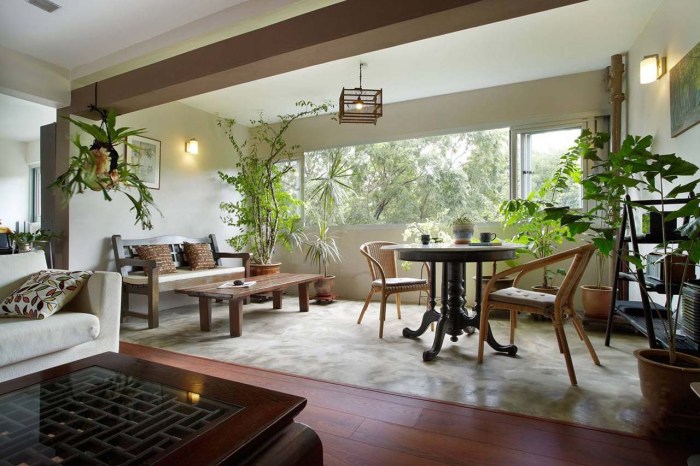
Introducing plants into your home not only adds a touch of greenery but also helps purify the air. Some plants are known for their air-purifying properties, such as aloe vera, spider plant, peace lily, and snake plant. These plants can effectively remove toxins and improve air quality while adding a natural aesthetic to your interior.
Ventilation and Air Filters
Proper ventilation is key to ensuring a constant flow of fresh air and preventing the buildup of pollutants indoors. Installing air filters in your HVAC system can help capture dust, allergens, and other particles, improving the overall air quality. Regular maintenance of ventilation systems and air filters is essential to ensure they function efficiently.
Non-Toxic Paints
When painting your home, opt for non-toxic paints that are low in volatile organic compounds (VOCs). Traditional paints release harmful chemicals into the air, contributing to indoor air pollution. Non-toxic paints are a safer and more eco-friendly choice, promoting better air quality while reducing harmful emissions.
Water Conservation
Water conservation is a crucial aspect of sustainable living in eco-friendly homes. By incorporating water-saving fixtures and implementing efficient systems, homeowners can significantly reduce their water usage and environmental impact.
Integrating Water-Saving Fixtures
One effective way to conserve water is by installing low-flow faucets and showerheads in bathrooms and kitchens. These fixtures are designed to reduce water flow without compromising water pressure, helping to minimize water wastage.
Rainwater Harvesting Systems
Rainwater harvesting systems are another innovative solution for water conservation. By collecting rainwater from rooftops and storing it for later use, homeowners can reduce their reliance on municipal water sources and lower their water bills.
Designing Eco-Friendly Bathrooms and Kitchens
When designing bathrooms and kitchens in sustainable homes, it's essential to choose water-efficient appliances and fixtures. Opt for dual-flush toilets, water-saving dishwashers, and energy-efficient washing machines to minimize water usage.
Greywater Recycling and Efficient Irrigation Systems
Greywater recycling involves reusing water from sinks, showers, and washing machines for tasks like watering plants or flushing toilets. Additionally, efficient irrigation systems like drip irrigation can help reduce water wastage in landscaping, promoting sustainable practices.
Natural Light and Ventilation
When it comes to sustainable home design, incorporating natural light and ventilation can have numerous benefits for both the environment and the occupants of the house. Not only does it reduce the need for artificial lighting and air conditioning, but it also creates a healthier and more pleasant living space.
Maximizing Natural Light Exposure
One technique for maximizing natural light exposure is to strategically place skylights or large windows in rooms where natural light is most needed, such as living areas, kitchens, and home offices. This not only reduces the reliance on artificial lighting during the day but also helps to create a bright and airy atmosphere.
Improving Airflow Through Ventilation
Good ventilation is essential for maintaining indoor air quality and regulating temperature. To enhance airflow, consider incorporating architectural elements such as high ceilings, open floor plans, and strategically placed windows that can be opened to allow for cross ventilation. This can help reduce the need for air conditioning and create a more comfortable living environment.
Eco-Friendly Furniture and Decor
When it comes to creating an eco-friendly and sustainable interior space, the choice of furniture and decor plays a crucial role. By opting for pieces that are made from sustainable materials and engaging in upcycling or repurposing projects, you can reduce your environmental impact and contribute to a healthier planet.
Eco-Friendly Furniture Sources
- Look for furniture brands that prioritize sustainability and use materials like reclaimed wood, bamboo, or recycled materials in their products.
- Consider shopping at thrift stores or online marketplaces for second-hand furniture pieces that can be refurbished and given a new life.
- Support local artisans and craftsmen who create handmade furniture using eco-friendly materials and techniques.
Sustainable Decor Tips
- Get creative with upcycling projects by repurposing old items into new decor pieces, such as turning glass jars into vases or pallets into shelves.
- Embrace DIY projects using natural materials like driftwood, seashells, or recycled fabric to add a personal touch to your interior space.
- Opt for minimalistic decor that focuses on quality over quantity, reducing the need for excessive consumption and waste generation.
Role of Minimalist Design and Conscious Consumption
Minimalist design principles can help create a sustainable interior space by promoting simplicity, functionality, and a clutter-free environment. By adopting conscious consumption habits and investing in timeless pieces that serve multiple purposes, you can minimize the environmental impact of your home decor choices.
Epilogue
In conclusion, adopting interior ideas for eco-friendly and sustainable homes is more than just a trend - it's a lifestyle choice that benefits both you and the environment. With the right materials, lighting, air quality strategies, water conservation methods, and furniture choices, you can create a space that is not only aesthetically pleasing but also environmentally responsible.
Make the switch today and embrace a sustainable way of living.
Questions and Answers
How can I incorporate sustainable materials into my interior design?
Consider using materials like bamboo, reclaimed wood, or recycled glass for a more eco-friendly approach to your home decor.
What are some energy-efficient lighting options for sustainable homes?
LED lights, solar-powered fixtures, and smart lighting systems are great choices to reduce energy consumption in your home.
How can I improve indoor air quality in my home?
Choose air-purifying plants, ensure proper ventilation, use air filters, and opt for non-toxic paints to enhance indoor air quality.
What are some tips for water conservation in the home?
Install low-flow faucets, consider rainwater harvesting, and design eco-friendly bathrooms and kitchens to minimize water usage.
Why is natural light important in sustainable home design?
Natural light not only reduces the need for artificial lighting but also creates a healthier and more inviting living space.
Where can I find eco-friendly furniture for my home?
Look for furniture made from sustainable materials and consider upcycling or repurposing items for a more environmentally friendly decor.