Delving into Budgeting for Home Automation: Smart Tips for Beginners, this introduction immerses readers in a unique and compelling narrative. It explores the importance of budgeting for smart home projects, identifies key components to consider, and discusses the benefits of setting a budget.
Introduction to Home Automation Budgeting
When embarking on a home automation project, budgeting is a crucial step to ensure that you stay within your financial means while still achieving your desired smart home setup. By setting a budget, you can prioritize your spending, identify essential components, and avoid overspending on unnecessary gadgets.
Key Components to Consider When Budgeting for Smart Home Devices
- Research and Planning: Allocate funds for researching different smart devices and planning your automation system.
- Essential Devices: Prioritize essential devices such as smart hubs, smart bulbs, or security cameras over luxury items.
- Installation Costs: Include installation costs for professional setup or DIY projects in your budget.
- Maintenance and Upgrades: Set aside funds for maintenance, updates, and future upgrades to keep your smart home running smoothly.
Benefits of Setting a Budget for Home Automation Projects
- Financial Discipline: Budgeting helps you manage your expenses and avoid overspending on unnecessary smart devices.
- Prioritization: Setting a budget allows you to prioritize essential components and functionalities based on your needs and preferences.
- Cost-Effective Solutions: By budgeting, you can explore cost-effective options and find affordable smart devices that fit within your financial plan.
Assessing Your Needs and Priorities
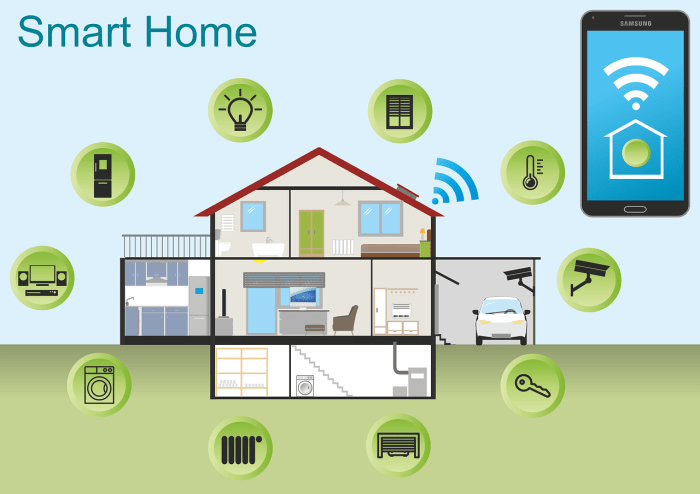
When considering budgeting for home automation, it is crucial to assess your needs and priorities to determine which smart home devices will best suit your lifestyle and preferences.
Examples of Smart Home Devices and Their Potential Costs
- Smart Thermostats: These devices can range from $100 to $250, depending on the brand and features such as voice control or learning capabilities.
- Smart Lighting: Smart bulbs can cost between $10 to $50 per bulb, while smart switches can range from $30 to $100 per switch.
- Smart Security Cameras: Prices can vary from $50 to $300 per camera, depending on the resolution, field of view, and additional features like night vision.
How to Prioritize Smart Home Features Based on Your Needs
- Identify the areas of your home where automation can bring the most convenience or cost savings, such as energy-efficient lighting or smart HVAC controls.
- Consider your daily routines and habits to determine which smart devices will streamline tasks and enhance your lifestyle.
- Focus on essential features first, such as security and safety devices, before moving on to more luxury items like smart entertainment systems.
Tips on Evaluating Existing Home Infrastructure for Compatibility
- Check the compatibility of your current devices with popular smart home platforms like Amazon Alexa or Google Assistant to ensure seamless integration.
- Assess your Wi-Fi network strength and coverage to guarantee reliable connectivity for all smart devices throughout your home.
- Consider the age and condition of your electrical wiring and outlets to determine if any upgrades are necessary for installing smart home devices safely.
Setting a Realistic Budget
When embarking on a home automation project, setting a realistic budget is crucial to ensure you don't overspend. Here are some key points to consider when setting your budget:
Researching Costs of Smart Home Devices
Before setting your budget, it's important to research the costs of smart home devices you're interested in. Compare prices from different manufacturers and retailers to get an idea of the range of prices for each device.
Importance of Setting a Budget Range
Setting a budget range allows you to have flexibility in your spending while still keeping your expenses in check. It's essential to set a minimum and maximum budget to guide your purchasing decisions.
Creating a Comprehensive Budget
When creating your budget, make sure to include not just the cost of the smart home devices, but also installation and maintenance costs. Factor in any additional expenses such as professional installation fees or subscription services for smart features.
DIY vs. Professional Installation
When it comes to setting up your home automation system, one of the key decisions you'll need to make is whether to go the DIY route or hire professional installers. Both options have their pros and cons, so it's important to weigh them carefully before making a decision.
Cost Comparison
- DIY: DIY installations are typically more cost-effective as you won't have to pay for professional labor. However, keep in mind that you may need to purchase tools, equipment, and possibly additional components if any mistakes are made.
- Professional Installation: Hiring professionals can be pricier upfront, but it ensures that the setup is done correctly the first time. You also have the added benefit of warranties and guarantees on the work done.
Factors to Consider
- Complexity of the System: If you have a simple automation setup with only a few devices, DIY might be sufficient. However, for more complex systems involving multiple devices and integrations, professional installation might be the better choice.
- Technical Expertise: Consider your own technical skills and comfort level with handling electrical components. If you're not confident in your abilities, it might be safer to leave it to the professionals.
- Time and Effort: DIY installations can be time-consuming and may require troubleshooting. If you have a busy schedule or lack the patience for troubleshooting, hiring professionals can save you time and effort.
When to Hire a Professional
- Integration Challenges: If you're looking to integrate various smart devices from different brands or systems, a professional installer can ensure seamless compatibility and integration.
- Customization Needs: For tailored solutions or specific requirements, professionals can provide expertise in designing and implementing a customized home automation system.
- Safety Concerns: If your automation setup involves electrical wiring or complex installations, it's best to hire professionals to avoid safety hazards and ensure compliance with building codes.
Maximizing Cost Efficiency
When it comes to budgeting for home automation, maximizing cost efficiency is essential to get the most out of your investment. By finding discounts, deals, and promotions on smart home devices, you can reduce your initial costs significantly.
Finding Discounts and Deals
One way to save money on smart home devices is to keep an eye out for sales, especially during major shopping holidays like Black Friday or Cyber Monday. Additionally, signing up for newsletters from smart home brands or retailers can give you access to exclusive discounts and promotions.
Long-term Cost Savings
- Investing in energy-efficient smart home solutions can lead to long-term cost savings on your utility bills. Devices like smart thermostats, LED bulbs, and energy monitoring systems can help you reduce your energy consumption and lower your monthly expenses.
- Consider the Return on Investment (ROI) of each smart home device you purchase. While some may have a higher upfront cost, the long-term savings they provide can make them a worthwhile investment.
Maximizing Budget Value
- Research different brands and products to find the best value for your budget. Compare features, reviews, and prices to ensure you're getting the most bang for your buck.
- Consider bundling smart home devices or purchasing them in kits to save money compared to buying individual components separately.
- Explore DIY installation options to avoid expensive professional installation fees. Many smart home devices are designed for easy setup, allowing you to save money by installing them yourself.
Ending Remarks
In conclusion, mastering the art of budgeting for home automation opens up a world of possibilities. By setting a realistic budget, assessing needs, and maximizing cost efficiency, beginners can embark on their smart home journey with confidence.
Questions and Answers
How can I prioritize smart home features based on my needs?
To prioritize smart home features, assess your daily routines and identify areas where automation can enhance convenience or efficiency.
Is DIY installation always more cost-effective than hiring professionals?
DIY installation can be cost-effective for simple setups, but complex systems may require professional expertise to ensure proper functioning.
What are some strategies for finding discounts on smart home devices?
Look out for seasonal sales, bundle deals, or refurbished options to save on the costs of smart home devices.
Delving into Budgeting for Home Automation: Smart Tips for Beginners, this introduction immerses readers in a unique and compelling narrative. It explores the importance of budgeting for smart home projects, identifies key components to consider, and discusses the benefits of setting a budget.
Introduction to Home Automation Budgeting
When embarking on a home automation project, budgeting is a crucial step to ensure that you stay within your financial means while still achieving your desired smart home setup. By setting a budget, you can prioritize your spending, identify essential components, and avoid overspending on unnecessary gadgets.
Key Components to Consider When Budgeting for Smart Home Devices
- Research and Planning: Allocate funds for researching different smart devices and planning your automation system.
- Essential Devices: Prioritize essential devices such as smart hubs, smart bulbs, or security cameras over luxury items.
- Installation Costs: Include installation costs for professional setup or DIY projects in your budget.
- Maintenance and Upgrades: Set aside funds for maintenance, updates, and future upgrades to keep your smart home running smoothly.
Benefits of Setting a Budget for Home Automation Projects
- Financial Discipline: Budgeting helps you manage your expenses and avoid overspending on unnecessary smart devices.
- Prioritization: Setting a budget allows you to prioritize essential components and functionalities based on your needs and preferences.
- Cost-Effective Solutions: By budgeting, you can explore cost-effective options and find affordable smart devices that fit within your financial plan.
Assessing Your Needs and Priorities
When considering budgeting for home automation, it is crucial to assess your needs and priorities to determine which smart home devices will best suit your lifestyle and preferences.
Examples of Smart Home Devices and Their Potential Costs
- Smart Thermostats: These devices can range from $100 to $250, depending on the brand and features such as voice control or learning capabilities.
- Smart Lighting: Smart bulbs can cost between $10 to $50 per bulb, while smart switches can range from $30 to $100 per switch.
- Smart Security Cameras: Prices can vary from $50 to $300 per camera, depending on the resolution, field of view, and additional features like night vision.
How to Prioritize Smart Home Features Based on Your Needs
- Identify the areas of your home where automation can bring the most convenience or cost savings, such as energy-efficient lighting or smart HVAC controls.
- Consider your daily routines and habits to determine which smart devices will streamline tasks and enhance your lifestyle.
- Focus on essential features first, such as security and safety devices, before moving on to more luxury items like smart entertainment systems.
Tips on Evaluating Existing Home Infrastructure for Compatibility
- Check the compatibility of your current devices with popular smart home platforms like Amazon Alexa or Google Assistant to ensure seamless integration.
- Assess your Wi-Fi network strength and coverage to guarantee reliable connectivity for all smart devices throughout your home.
- Consider the age and condition of your electrical wiring and outlets to determine if any upgrades are necessary for installing smart home devices safely.
Setting a Realistic Budget
When embarking on a home automation project, setting a realistic budget is crucial to ensure you don't overspend. Here are some key points to consider when setting your budget:
Researching Costs of Smart Home Devices
Before setting your budget, it's important to research the costs of smart home devices you're interested in. Compare prices from different manufacturers and retailers to get an idea of the range of prices for each device.
Importance of Setting a Budget Range
Setting a budget range allows you to have flexibility in your spending while still keeping your expenses in check. It's essential to set a minimum and maximum budget to guide your purchasing decisions.
Creating a Comprehensive Budget
When creating your budget, make sure to include not just the cost of the smart home devices, but also installation and maintenance costs. Factor in any additional expenses such as professional installation fees or subscription services for smart features.
DIY vs. Professional Installation
When it comes to setting up your home automation system, one of the key decisions you'll need to make is whether to go the DIY route or hire professional installers. Both options have their pros and cons, so it's important to weigh them carefully before making a decision.
Cost Comparison
- DIY: DIY installations are typically more cost-effective as you won't have to pay for professional labor. However, keep in mind that you may need to purchase tools, equipment, and possibly additional components if any mistakes are made.
- Professional Installation: Hiring professionals can be pricier upfront, but it ensures that the setup is done correctly the first time. You also have the added benefit of warranties and guarantees on the work done.
Factors to Consider
- Complexity of the System: If you have a simple automation setup with only a few devices, DIY might be sufficient. However, for more complex systems involving multiple devices and integrations, professional installation might be the better choice.
- Technical Expertise: Consider your own technical skills and comfort level with handling electrical components. If you're not confident in your abilities, it might be safer to leave it to the professionals.
- Time and Effort: DIY installations can be time-consuming and may require troubleshooting. If you have a busy schedule or lack the patience for troubleshooting, hiring professionals can save you time and effort.
When to Hire a Professional
- Integration Challenges: If you're looking to integrate various smart devices from different brands or systems, a professional installer can ensure seamless compatibility and integration.
- Customization Needs: For tailored solutions or specific requirements, professionals can provide expertise in designing and implementing a customized home automation system.
- Safety Concerns: If your automation setup involves electrical wiring or complex installations, it's best to hire professionals to avoid safety hazards and ensure compliance with building codes.
Maximizing Cost Efficiency
When it comes to budgeting for home automation, maximizing cost efficiency is essential to get the most out of your investment. By finding discounts, deals, and promotions on smart home devices, you can reduce your initial costs significantly.
Finding Discounts and Deals
One way to save money on smart home devices is to keep an eye out for sales, especially during major shopping holidays like Black Friday or Cyber Monday. Additionally, signing up for newsletters from smart home brands or retailers can give you access to exclusive discounts and promotions.
Long-term Cost Savings
- Investing in energy-efficient smart home solutions can lead to long-term cost savings on your utility bills. Devices like smart thermostats, LED bulbs, and energy monitoring systems can help you reduce your energy consumption and lower your monthly expenses.
- Consider the Return on Investment (ROI) of each smart home device you purchase. While some may have a higher upfront cost, the long-term savings they provide can make them a worthwhile investment.
Maximizing Budget Value
- Research different brands and products to find the best value for your budget. Compare features, reviews, and prices to ensure you're getting the most bang for your buck.
- Consider bundling smart home devices or purchasing them in kits to save money compared to buying individual components separately.
- Explore DIY installation options to avoid expensive professional installation fees. Many smart home devices are designed for easy setup, allowing you to save money by installing them yourself.
Ending Remarks
In conclusion, mastering the art of budgeting for home automation opens up a world of possibilities. By setting a realistic budget, assessing needs, and maximizing cost efficiency, beginners can embark on their smart home journey with confidence.
Questions and Answers
How can I prioritize smart home features based on my needs?
To prioritize smart home features, assess your daily routines and identify areas where automation can enhance convenience or efficiency.
Is DIY installation always more cost-effective than hiring professionals?
DIY installation can be cost-effective for simple setups, but complex systems may require professional expertise to ensure proper functioning.
What are some strategies for finding discounts on smart home devices?
Look out for seasonal sales, bundle deals, or refurbished options to save on the costs of smart home devices.